# Measuring Rainfall: The Purpose of a Rain Gauge
## What Is a Rain Gauge Used For?
A rain gauge is a simple yet essential tool used to measure the amount of liquid precipitation (rainfall) over a specific period of time. Meteorologists, farmers, hydrologists, and even gardeners rely on rain gauges to track rainfall patterns, which helps in weather forecasting, agricultural planning, and water resource management.
### How Does a Rain Gauge Work?
Rain gauges come in various designs, but the most common type is a cylindrical container with measurement markings on the side. When rain falls into the gauge, it accumulates, and the user can read the depth of the collected water to determine the amount of rainfall. More advanced models may include digital sensors or automated data collection systems for more precise measurements.
### Types of Rain Gauges
There are several types of rain gauges, each suited for different purposes:
– Standard Rain Gauge: A simple cylinder with measurement markings, often used in home gardens or small-scale applications.
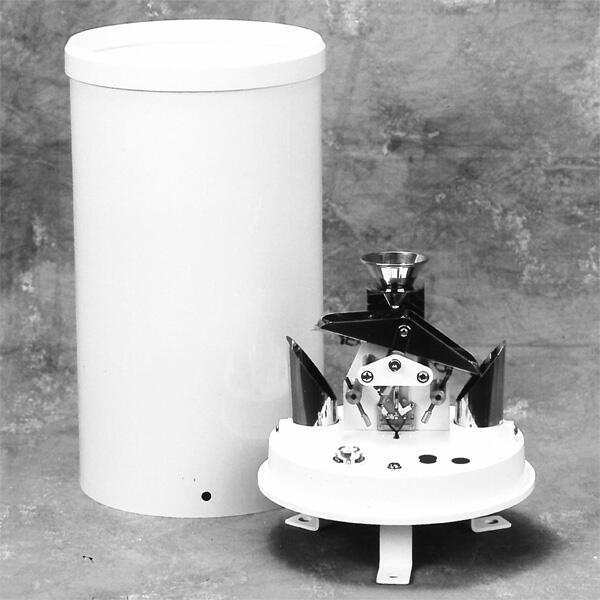
– Tipping Bucket Rain Gauge: Uses a small bucket that tips when filled with a specific amount of rain, recording each tip electronically.
– Weighing Rain Gauge: Measures rainfall by weighing the collected water, providing highly accurate data.
– Optical Rain Gauge: Uses light beams to detect raindrops and calculate rainfall intensity.
### Why Is Measuring Rainfall Important?
Accurate rainfall measurement is crucial for several reasons:
– Agriculture: Farmers use rainfall data to determine irrigation needs and crop planning.
– Flood Prediction: Hydrologists monitor rainfall to predict potential flooding and manage water resources.
– Climate Studies: Long-term rainfall records help scientists understand climate patterns and changes.
– Urban Planning: Cities use rainfall data to design drainage systems and prevent waterlogging.
### Tips for Using a Rain Gauge
To get the most accurate measurements from your rain gauge, follow these tips:
– Place the gauge in an open area, away from trees or buildings that could block rain.
– Ensure the gauge is level to prevent uneven water collection.
– Check the gauge at the same time each day for consistent data.
– Clean the gauge regularly to avoid debris buildup affecting measurements.
### Conclusion
Rain gauges play a vital role in understanding and managing precipitation. Whether for personal use, agriculture, or scientific research, these devices provide valuable data that helps us make informed decisions about water usage, weather preparedness, and environmental conservation. By measuring rainfall accurately, we can better adapt to the challenges posed by changing weather patterns and ensure sustainable water management for the future.
Keyword: what is a rain gauge used for